






 Bogdan Cretu
 Few Web3 sectors have evolved as quickly as prediction markets. What started as a niche blockchain application has become a rapidly growing industry where millions of people trade on the outcome of elections, crypto prices, financial markets, sports events, and other real-world developments.
The numbers reflect that momentum. Dune Analytics estimates that prediction markets have generated more than $177 billion in notional volume, processed over 859 million transactions, and attracted more than 3 million users worldwide. Looking ahead, Bernstein projects the market could reach $1 trillion by 2030, highlighting the significant room for future growth.
As the industry grows, so does the competition. Launching a prediction market is no longer enough to stand out. While major events can attract a surge of new users, building a platform that keeps them engaged long after those events end is a far greater challenge.
This guide explores a five-stage framework for growing a prediction market, from launching the right product to building a platform users return to long after major events have ended.
We’ll also look at why crypto advertising is becoming an essential part of the growth of prediction markets. With around 40% of users already coming from crypto communities, reaching audiences familiar with wallets, digital assets, and Web3 products can significantly improve user acquisition. Platforms like Coinzilla help prediction market brands connect with these highly engaged audiences across trusted crypto media.
Table of Contents
Why Prediction Markets Struggle to Scale

Unlike most digital products, prediction markets depend on real-world events to generate demand. Elections, Bitcoin rallies, interest rate announcements, AI breakthroughs, and global sporting events all create spikes in trading activity. These moments are powerful acquisition opportunities, but they’re temporary.
The 2024 U.S. presidential election is a perfect example. During the final weeks of the campaign, Polymarket processed more than $3.5 billion in trading volume, becoming one of the most discussed platforms across both crypto and mainstream media. While exceptional for growth, moments like these are difficult to replicate consistently.
Competition is also becoming more intense. According to the Prediction Markets: From Trading to Betting report, Polymarket and Kalshi account for nearly 88% of total market volume, demonstrating the power of liquidity and network effects. Active markets attract more traders, which improves liquidity and encourages even more participation, making it increasingly difficult for new entrants to compete.
Many platforms respond by making one of three common mistakes:
- Launching too many markets before building sufficient liquidity.
- Treating marketing as a launch activity instead of an ongoing growth engine.
- Measuring success through signups instead of long-term engagement.
The most successful prediction markets take a different approach. Rather than chasing one-off spikes in activity, they focus on five stages of sustainable growth:
- Build a product that solves a clear user need.
- Acquire high-quality traders.
- Turn first-time users into loyal participants.
- Scale liquidity without sacrificing market quality.
- Build a trusted brand that continues to attract users between major events.
Each stage strengthens the next, creating a business that grows through habits rather than hype.
Stage 1: Build a Market That Solves a Real User Need

Every successful prediction market starts with a simple question: why should users choose this platform instead of an established alternative?
Technology alone is rarely enough. Fast transactions, secure wallets, and intuitive interfaces have become standard expectations across Web3. Long-term differentiation comes from offering a better experience for a clearly defined audience.
Choosing the Right Market Vertical
One of the biggest mistakes new platforms make is trying to cover every category from day one. Politics, crypto, sports, AI, finance, entertainment, and macroeconomics may all be attractive markets, but launching across every vertical often fragments liquidity and weakens product positioning.
Instead, successful platforms build credibility by focusing on a single niche before expanding.
Some become the go-to destination for crypto-related predictions, while others specialize in politics or financial markets. A focused strategy makes marketing more effective, educational content more relevant, and community building significantly easier.
Creating Initial Liquidity
Liquidity is the foundation of every prediction market. Without active traders, markets feel unreliable, spreads widen, and new users are less likely to participate.
That’s why liquidity should be treated as part of the launch strategy rather than a post-launch objective. Successful platforms typically:
- Launch with a limited number of high-demand markets.
- Concentrate liquidity around flagship events.
- Incentivize early market makers where appropriate.
- Partner with crypto-native communities that already understand event-driven trading.
A platform with twenty active, liquid markets creates a much stronger first impression than one offering hundreds of inactive predictions.
Reducing Onboarding Friction
The first few minutes on a platform often determine whether users stay or leave. Every unnecessary step, connecting a wallet, funding an account, understanding market mechanics, or placing a first trade, increases the likelihood of abandonment.
The best onboarding experiences combine simplicity with education. Interactive walkthroughs, clear explanations, and intuitive interfaces help users understand not only how to trade but also how prediction markets work.
As Raluca, Head of Sales at Coinzilla, explains:
“Successful onboarding starts before users even reach the platform. When brands attract people who already understand wallets, digital assets, and Web3 products, the learning curve becomes much shorter. Combined with a frictionless onboarding experience, this helps users complete their first prediction with confidence and return more often.”
Once the product is ready and onboarding is optimized, the next challenge is attracting the first wave of active traders.
Stage 2: Acquire Your First Active Traders

Even the best-designed prediction market cannot succeed without participants. Early growth isn’t about attracting the largest audience, but it’s about attracting users who understand the product, trade consistently, and help create healthy market dynamics.
Community-Led Growth
Prediction markets naturally fit within existing crypto communities. Web3 users already discuss token prices, macroeconomic events, governance proposals, and emerging technologies. Prediction markets simply give them another way to engage with those conversations.
Successful platforms don’t treat Discord, Telegram, Reddit, or X as advertising channels. They become active contributors by sharing market insights, educational content, and thoughtful analysis that builds credibility over time.
Educational Content and SEO
For many users, the first interaction with a prediction market begins with a search engine. Questions like What are prediction markets? How do they work? Polymarket vs. Kalshi represent the earliest stage of the buying journey.
Educational content answers those questions while establishing trust. Beginner guides, comparison articles, event analysis, and market explainers not only improve SEO but also position the platform as a reliable source of information. By the time visitors reach the product, they’re already more confident about participating.
Influencers and KOL Campaigns
Trust remains one of the biggest drivers of Web3 adoption. Analysts, researchers, YouTubers, newsletter authors, and respected X creators often shape how users evaluate new platforms.
The most effective collaborations focus on education rather than promotion. Instead of simply recommending a platform, creators explain market mechanics, discuss current events, and demonstrate how prediction markets work in practice.
For example, to amplify these efforts, platforms can use Marketplace Packages to launch coordinated campaigns across trusted crypto media. Combining sponsored articles, influencer collaborations, press releases, and premium publisher placements, they help brands increase visibility and reach engaged Web3 audiences through a single solution.
Crypto-Native Advertising Channels
Mainstream advertising platforms offer broad reach, but prediction markets perform best when they reach people who already understand blockchain technology.
By running campaigns across trusted crypto publications and industry websites, Web3 advertising helps prediction market platforms reach high-intent users actively discovering new projects and following market trends.
As Raluca explains:
“The highest-performing acquisition campaigns don’t target the widest audience. They target the most relevant one. Prediction markets grow faster when they’re introduced to users who already understand digital assets, follow market-moving events, and actively participate in Web3 ecosystems.”
Coinzilla helps prediction market platforms scale. Through premium publisher placements, sponsored content, native advertising, and display campaigns, brands can consistently reach engaged crypto users throughout their decision-making journey, not just during major news events.
Stage 3: Turn First-Time Traders into Loyal Users

Acquiring users is only half of the challenge. The real measure of a successful prediction market is how many participants return after placing their first trade.
Because the industry is driven by major news cycles, retention cannot be treated as an afterthought. It must be built into the product from day one.
Personalize the Experience
Not every user joins a prediction market for the same reason. While some are interested in crypto, others follow politics, sports, AI, or macroeconomics. A personalized experience helps users quickly discover markets that match their interests, rather than forcing them to browse dozens of unrelated events.
By recommending markets based on previous trades and browsing behavior, platforms make it easier for users to stay engaged. A trader who regularly predicts Bitcoin price movements may appreciate upcoming crypto or macroeconomic markets, while someone who joined during an election season may be interested in geopolitical or financial forecasts.
Reward Meaningful Engagement
Gamification and loyalty programs are most effective when they reward consistent participation rather than just trading volume.
Leaderboards, prediction streaks, achievement badges, seasonal competitions, and referral programs can all encourage users to remain active. The key is to recognize behaviors that strengthen the ecosystem, such as:
- Completing onboarding.
- Exploring new market categories.
- Making consistent predictions over time.
- Referring to active users.
- Participating in community discussions.
Likewise, loyalty programs can offer reduced trading fees, premium insights, exclusive markets, or early access to new features. These incentives help transform occasional visitors into long-term community members.
Keep Improving the Product
Retention isn’t driven solely by incentives. It also depends on continuous product improvement. Regular updates, whether faster settlement, improved analytics, mobile enhancements, or new market categories, show users that the platform is evolving.
Just as importantly, those improvements should be communicated clearly through email, in-app messages, and social channels.
As Raluca, Head of Sales at Coinzilla, explains:
“Sustainable growth doesn’t end with user acquisition. The platforms that retain users are the ones that continuously improve the experience and communicate those improvements consistently. Every meaningful update gives users another reason to come back.”
Re-engage Users with Retargeting
Even highly engaged users won’t trade every day. Many leave after a major event simply because they aren’t aware of new opportunities.
Retargeting helps prediction market platforms bring those users back at the right moment. Instead of showing generic ads, campaigns can remind previous visitors about upcoming markets, newly launched features, or unresolved predictions they’re likely to care about.
Combined with personalized email campaigns and in-app notifications, retargeting creates another touchpoint that encourages users to return without relying solely on the next headline event.
Coinzilla’s Retargeting solution enables prediction market brands to reconnect with users across the crypto ecosystem, helping increase repeat visits, improve retention, and maximize the value of every acquisition campaign.
Stage 4: Scale Liquidity Without Sacrificing User Experience

As a prediction market grows, expanding into new categories can seem like the natural next step. However, growth isn’t measured by the number of markets available. It’s measured by the quality and liquidity of those markets.
Scaling too quickly often fragments trading activity, creating dozens of inactive markets rather than fewer healthy ones.
Concentrate Liquidity Before Expanding
Liquidity attracts liquidity, and active markets offer tighter spreads, better price discovery, and greater confidence for new traders. Conversely, inactive markets discourage participation and make the platform appear less trustworthy.
Instead of launching every possible prediction category, successful platforms expand gradually, focusing on markets with consistent demand before introducing new verticals.
Work With Liquidity Providers
As trading volumes increase, partnerships with professional market makers and liquidity providers become increasingly valuable. These participants help maintain healthy order books, improve execution quality, and reduce volatility, especially during periods of lower activity.
Liquidity incentives can also support growth, but they should encourage sustainable participation rather than temporary spikes in volume. Incentive programs work best when they’re tied to long-term platform economics rather than short-term promotional campaigns.
Expand Strategically
Adding new categories such as AI, finance, technology, entertainment, or macroeconomics can attract new audiences, but only when existing markets remain healthy.
Platforms should regularly evaluate market performance, retire inactive predictions when necessary, and prioritize quality over quantity.
The strongest prediction markets aren’t those with the most markets, but those where users consistently find active, well-priced opportunities to trade.
Stage 5: Build a Brand, Not Just a Trading Platform

As the prediction market industry matures, products will become increasingly similar. Trust will become the true competitive advantage.
Users don’t simply choose a platform because it offers the largest selection of markets. They choose the one they believe will provide transparent rules, reliable settlement, strong security, and a consistent experience.
Build Credibility Through Education
Educational content remains one of the most effective ways to establish authority. Publishing market analysis, research reports, executive interviews, and industry insights demonstrates expertise while creating long-term SEO value.
Distributing this content through respected crypto publications extends its reach and reinforces credibility among audiences that already follow blockchain markets.
Moreover, a reliable marketplace supports this strategy by connecting prediction market brands with premium publishers for sponsored articles, native content, and press releases that strengthen both visibility and reputation.
Stay Visible Between Major Events
One of the biggest branding mistakes prediction markets make is only communicating during major news cycles. Consistent visibility keeps a platform top of mind even when trading activity slows.
Sharing educational content, product updates, industry commentary, and market insights helps maintain trust and ensures the brand remains relevant when the next major event creates new demand.
As Raluca notes:
“The strongest brands aren’t the ones that appear only during headline events. They’re the ones users encounter consistently over time. Familiarity builds trust, and trust drives long-term growth.”
Measure Brand Growth
Brand building should be measured just as carefully as acquisition. Useful metrics include:
- Branded search volume;
- Direct website traffic;
- Media mentions;
- Share of voice;
- Organic backlinks;
- Returning visitors;
- Newsletter subscribers;
- Social engagement.
Together, these indicators reveal whether a platform is building lasting brand equity or simply benefiting from temporary bursts of attention.
The Future of Prediction Market Growth
Prediction markets are entering a new stage of maturity. Over the next few years, growth will be shaped by three major trends.
AI-powered automation will help platforms identify trending topics, create markets faster, improve personalization, and detect suspicious activity more effectively.
Mobile-first experiences will become essential as more users interact with Web3 primarily through smartphones. Fast onboarding, intuitive navigation, and real-time notifications will become baseline expectations.
Broader adoption will bring new opportunities beyond retail traders. Financial institutions, media organizations, research firms, and analytics providers are increasingly recognizing prediction markets as valuable forecasting tools, creating new sources of liquidity and credibility.
At the same time, user acquisition will become more diversified. SEO, educational content, partnerships, community building, email marketing, and crypto-native advertising will all play complementary roles in creating sustainable growth.
The platforms that succeed won’t rely on a single viral event or marketing channel. They’ll build resilient ecosystems that continuously attract, engage, and retain users.
Ready to Grow Your Prediction Market?
Building a successful prediction market takes more than innovative technology. Long-term success depends on a growth strategy that combines product quality, liquidity, user acquisition, retention, and brand trust.
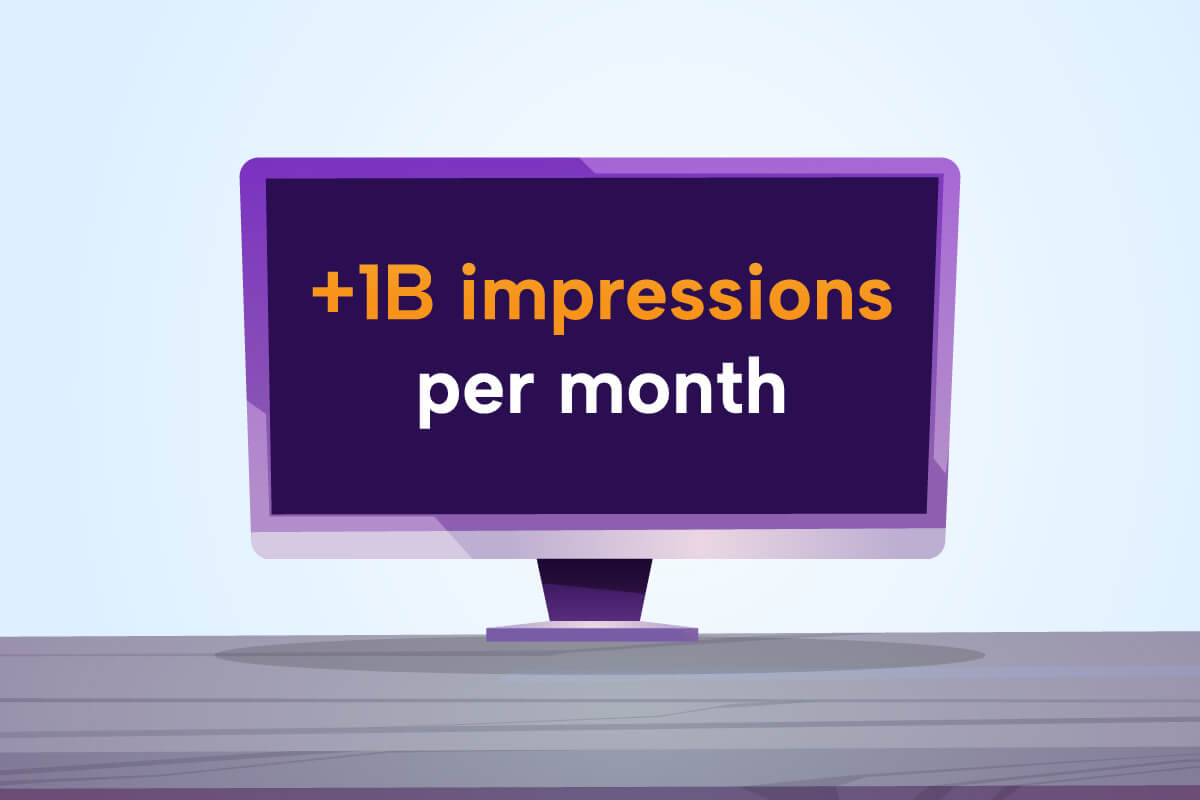
Reaching the right audience is what turns that strategy into sustainable growth. Backed by a network that delivers 1B+ monthly impressions and has powered 20,000+ advertising campaigns, including some of the industry’s largest campaigns for crypto, iGaming, and GambleFi brands, Coinzilla provides the reach and visibility needed to accelerate growth.
Whether you’re launching a new platform or expanding an established one, the right marketing strategy can help you attract engaged traders, strengthen your brand, and build sustainable momentum.
Start Your Campaign Today!
Disclaimer: This guide is for educational purposes only and does not constitute financial or investment advice.